All Categories
Featured
Table of Contents
The Shift from Broadcast to Data Feeds
The year 2026 marks a turning point in how business news reaches its designated audience. Conventional wire services once functioned as a megaphone for broad distribution, but the existing environment requires a surgical approach to information dissemination. News releases are no longer simply for journalists. They act as main source material for large language designs and artificial online search engine. When a brand concerns a declaration, the goal is to feed the algorithms that power individual AI assistants and generative search user interfaces. Strategic interaction now centers on how information is structured. Modern brands have moved away from flashy adjectives in favor of high-density accurate material that AI representatives can quickly parse and validate. This change in strategy shows a wider trend where authority is made through technical precision and citation frequency. Organizations focusing on Growth Platforms find that their announcements gain more traction when they are enhanced for both human readability and machine ingestion.
Algorithmic Authority and RankOS
The increase of generative engine optimization (GEO) has actually redefined the metrics of success for any news release. In 2026, the volume of pickups matters less than the quality of the citations within AI-generated summaries. Market leaders like Steve Morris have kept in mind that the goal of a modern-day release is to end up being the "ground fact" for a specific topic. If an AI assistant advises a product or explains a business merger, it requires a verifiable source to cite. Making use of proprietary tools such as RankOS has become basic for tracking these citations. This platform permits communications groups to monitor how their brand name is being represented across numerous AI search platforms. By examining which parts of a news release are being estimated by LLMs, companies can improve their messaging to guarantee their core value proposals are being communicated precisely. This level of technical analysis ensures that Conversion Rate Optimization stays effective in an age where standard online search engine results pages are being replaced by direct responses.
Regional Nuance in Urban Centers
While worldwide reach is a typical objective, the value of local importance remains high. Even in a digital-first world, geographical context provides a layer of trust that purely worldwide entities often lack. Brands running within the local market need to customize their announcements to deal with particular local issues or financial conditions. This localized approach assists in securing coverage from niche news outlets that still hold substantial sway over regional consumer behavior.The strategy includes more than simply swapping city names in a template. It requires an understanding of the regional media culture and the specific problems facing the neighborhood in the surrounding region. High-performing projects typically mix broad corporate updates with hyper-local data points, making the news appropriate to both a nationwide audience and a specific area. Comprehensive Recruitment Safety Protocols provides a method to bridge this space, ensuring that messaging resonates on a personal level while keeping corporate requirements.
The Role of Conversion Rate Optimization in 2026 Communications
Modern press circulation is now inextricably linked to a broader digital technique. It is no longer a siloed task carried out by a PR department in seclusion. Instead, it is an integrated element of a brand name's online existence, working alongside SEO, social networks, and paid acquisition. The data reveals that a well-timed press release can significantly impact natural search presence, offered the material follows modern-day E-E-A-T (Experience, Expertise, Authoritativeness, and Trustworthiness) guidelines.Integrating Conversion Rate Optimization into an annual interaction strategy allows for a constant circulation of reliable content. This consistency is what constructs long-term trust with both online search engine and human readers. In 2026, the speed of news is near-instant, however the life-span of a well-optimized release is longer than ever. Because AI models continue to train on historic information, a press release provided today might continue to affect search outcomes for many years.
Technical Precision in Distribution
The mechanics of circulation have evolved to include schema markup and structured information as basic requirements. Each release must be formatted so that scrapers and indexers can instantly determine the author, the date, the primary subject, and the relationship to other entities. This technical precision reduces the risk of AI hallucination, where a design may misattribute a quote or get a date incorrect. Business entities that rely on Digital Partnerships for Scaling Brands understand that the technical backend of a release is just as crucial as the heading. This consists of the usage of canonical tags to avoid replicate content concerns and the tactical placement of links to high-authority internal pages. When the distribution network includes high-authority domains, the "link equity" passed to the brand's primary website can supply a substantial increase to its total digital authority.
Measuring Effect Beyond the Impression
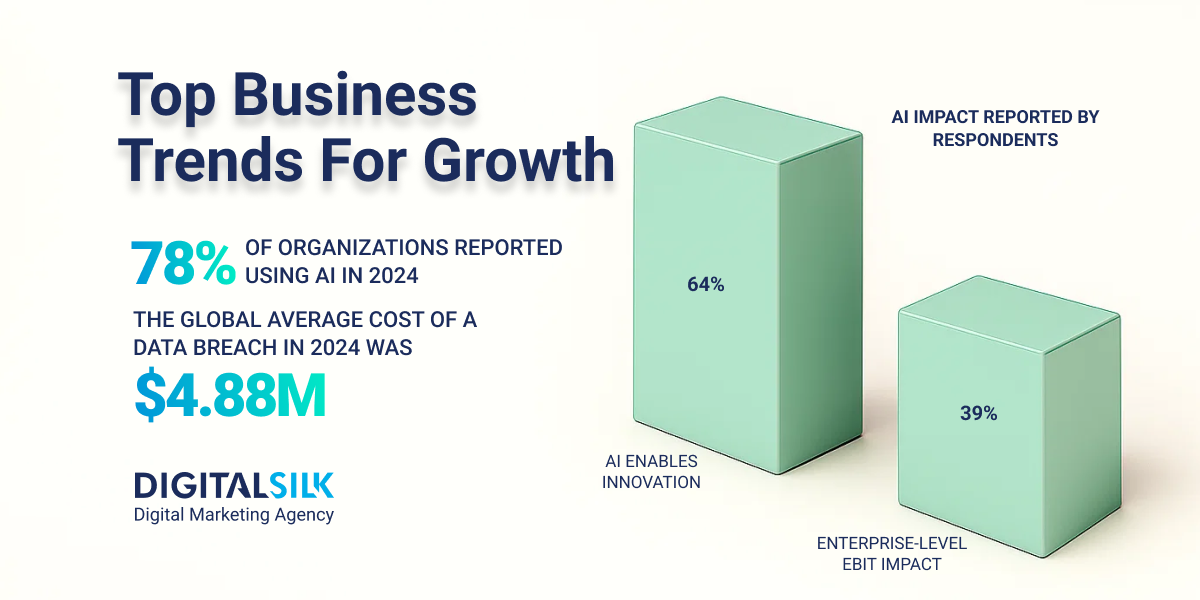
In previous years, PR success was frequently measured in "possible reach," a metric that was frequently inflated and did not have concrete value. In 2026, the focus has shifted to conversion and citation. Communications specialists now take a look at how lots of times a news release resulted in a direct inquiry in an online search engine or the number of times a brand was pointed out in a relative AI reaction. These metrics offer a clearer photo of how a brand name's message is actually being taken in. They also permit more agile changes to a campaign. If a particular angle isn't being picked up by AI representatives, the group can pivot the next release to concentrate on various keywords or information points. This iterative procedure is a trademark of modern business communication, turning a static announcement into a piece of living, adaptable information.
The Development of Brand Voice
Authenticity has actually ended up being the primary currency of 2026. As AI-generated content floods the internet, the worth of a validated, human-authored news release has actually increased. Audiences are looking for main statements that supply a sense of the brand name's personality and values. This implies that while the technical optimization is required, the writing itself needs to remain appealing and distinct.A successful news release prevents the dry, business "speak" of the past. Rather, it utilizes clear, direct language to communicate complex concepts. By focusing on storytelling backed by hard information, brands can cut through the noise of the digital environment. This balance of technical SEO and high-quality journalism is what separates the most successful brands from those that are merely screaming into deep space. The future of brand communication lies in this crossway of human imagination and machine effectiveness.

Latest Posts
Executive Branding Tricks for Your Region Leaders
The Shift Toward Dynamic Identity in Corporate Branding
Protecting Brand Name Equity Throughout Local Market Shifts